Dear Pennies & Pens,
In this article, K-Pop Is a Global Touring System — Not Just a Genre, I explore how K-Pop began as a genre of music and evolved into a global touring system. K-Pop’s international success is not accidental; it is driven by a carefully integrated blend of music, fashion, choreography, photography, and videography that transforms each release and performance into a fully realized experience.
K-Pop is more than music—it is an experiential art form designed to be lived, remembered, and revisited. While conversations about its global reach often focus on virality, visuals, or fandom size, what is discussed far less is how touring functions as a core pillar of K-Pop’s longevity.
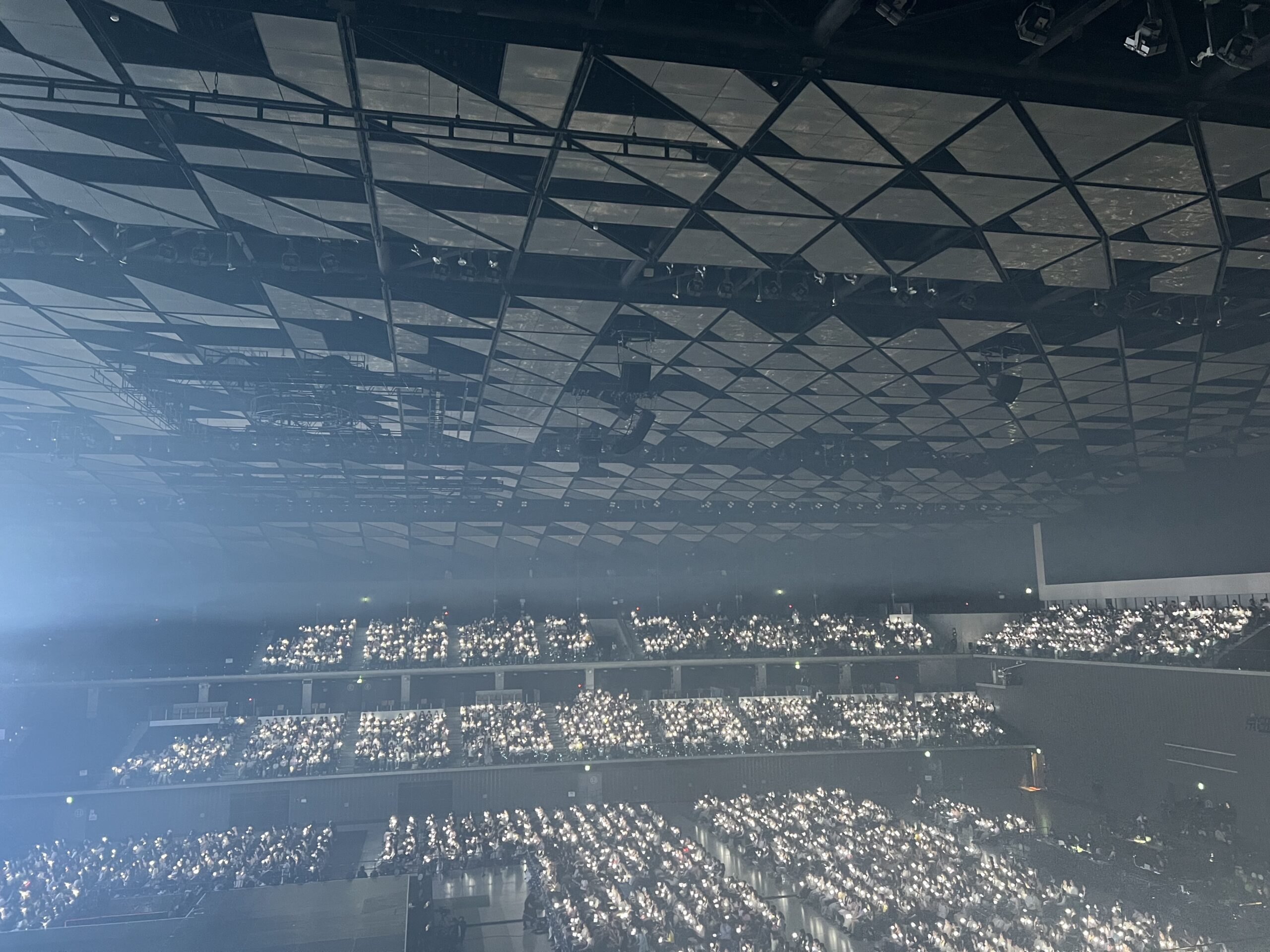
Photo by LoudPen
K-Pop focuses on a fan-centered operational model that treats live performances as long-term relationship building rather than short-term promotion. Consistency across markets, intentional audience engagement, and carefully designed live experiences allow concerts to become meaningful cultural touchpoints instead of one-off events.
Having attended KAI’s 2025 Solo Concert Tour: KAION in both Hong Kong, China and Grand Prairie, Texas, I have seen firsthand how intentional tour design shapes fan trust, emotional investment, and long-term engagement. These differences are the result of a system that understands touring as infrastructure.
Misconceptions About K-Pop Touring
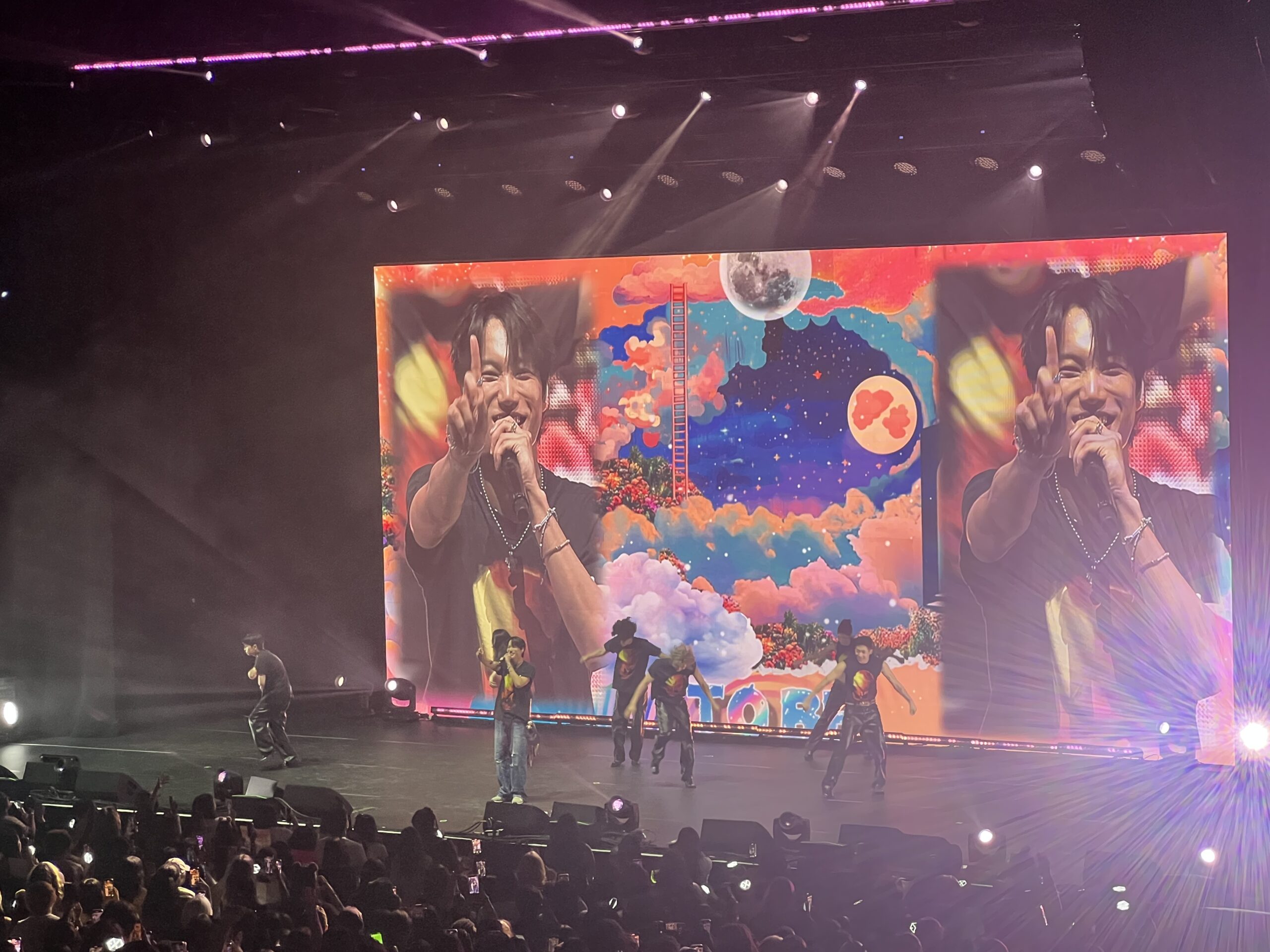
Photo by LoudPen
Discussions around K-Pop tours often begin and end with numbers—ticket sales, sold-out venues, chart placements, or fandom size. As a result, K-Pop is frequently framed as a spectacle driven by hype, visuals, or internet popularity. While these elements exist, they are not what sustain K-Pop’s global presence.
One of the biggest misconceptions is the idea that touring functions primarily as promotion. In K-Pop, touring is not a temporary campaign meant to support an album release or capitalize on momentum before the next era begins. Instead, it is an ongoing relationship. Live experiences are intentionally designed to reinforce trust between artists and fans, strengthening emotional connection over time. Fans are not simply attending a concert; they are participating in a shared moment that builds upon everything that came before it.
Another common misunderstanding is the belief that fan engagement begins and ends at the venue. In reality, K-Pop fans arrive emotionally connected, informed, and prepared to participate. This level of readiness is cultivated through intentional planning that treats fans as active contributors rather than passive observers.
Ahead of concerts, fans often purchase exclusive merchandise such as lightsticks. A lightstick is an official, artist-branded handheld light used during performances that functions as both merchandise and a participation tool, allowing audiences to visually engage with the show in real time. Fans also express themselves through fashion, wearing outfits inspired by music videos, stage performances, photobooks, or entirely original looks that reflect their individuality and connection to the artist.
Reducing K-Pop touring to surface-level metrics misses the larger picture. What happens on stage is only one part of an ecosystem built around emotional continuity, consistency, and cultural awareness across markets. When viewed through this lens, K-Pop touring reveals itself not as a passing trend, but as a global system designed to endure across generations.
More Than a Moment: How K-Pop Approaches Touring
Traditionally, touring is treated as a special moment—something used to promote an album or capitalize on popularity. Artists tour to support their latest release, then disappear until the next project arrives. Once the shows end, the connection pauses, leaving fans waiting in silence.
K-Pop approaches touring differently. Rather than reacting to demand, touring operates as a continuous system that sets expectations and builds trust over time. Tours are not created solely to promote releases; they reinforce the ongoing relationship between artists and fans.
Consistency is central to this approach. While concepts and eras may change, production quality, fan interaction, and atmosphere remain essential rather than optional. When fans attend a K-Pop concert, they are stepping into a carefully designed environment that feels familiar, immersive, and emotionally connected to everything they already know about the artist.
This consistency reassures fans that their emotional and financial investment will be respected, whether they attend a show in Seoul, Hong Kong, Tokyo, or the United States. Trust is built through repetition and attention to detail. Because touring functions as infrastructure, it also creates emotional continuity. Each concert builds upon past experiences rather than replacing them, strengthening loyalty through genuine connection rather than obligation.
As a result, live performances become chapters in an ongoing story rather than isolated moments. Fans carry these memories across cities and tours, comparing emotions, performances, and shared experiences. Touring becomes the focal point of actively maintaining the artist–fan relationship.
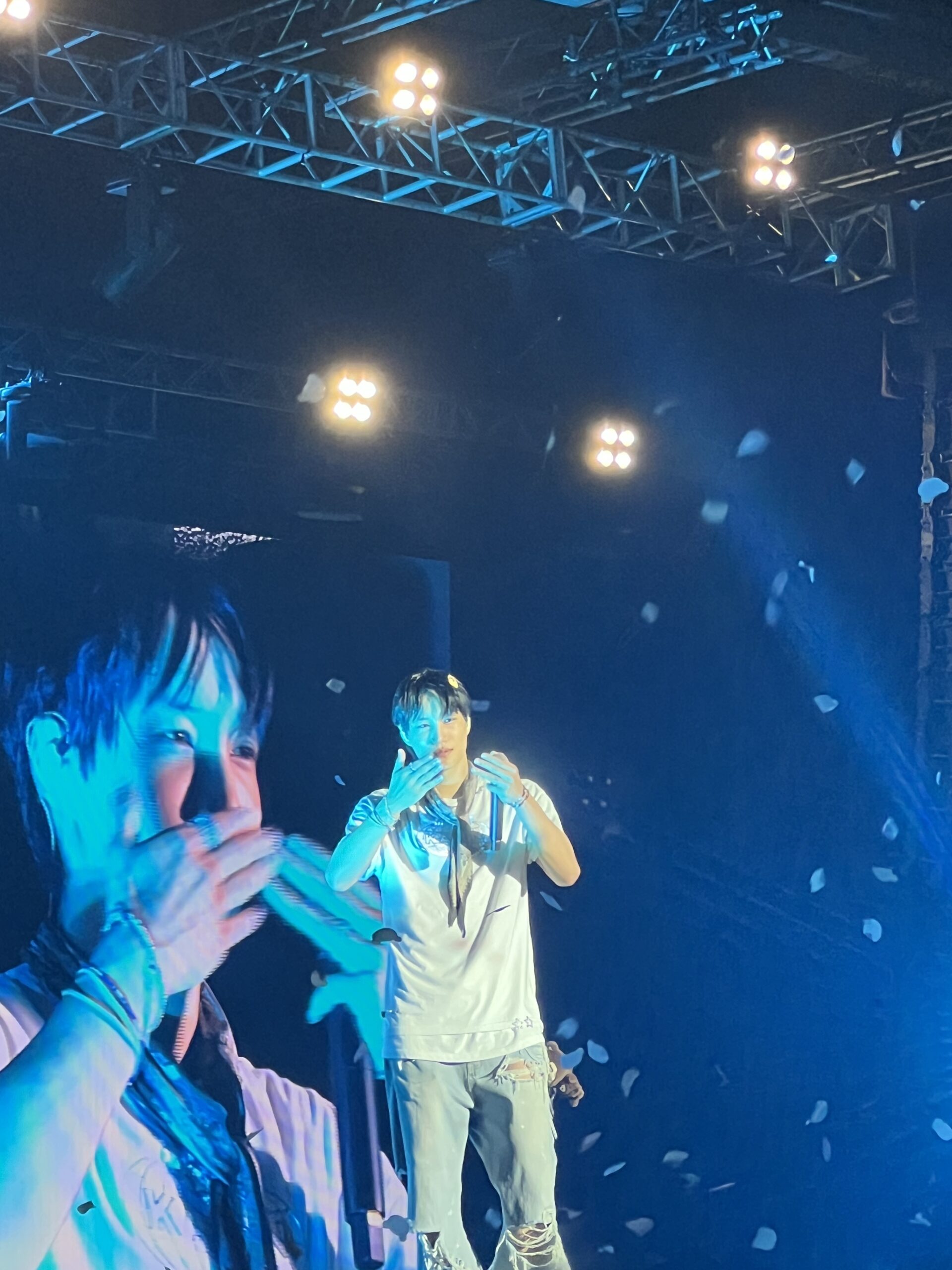
Photo by LoudPen
How Fans Play a Defining Role in Shaping the Live K-Pop Experience
K-Pop fans are active participants whose presence and energy directly shape the atmosphere of a concert. They do not simply arrive, watch, and leave. Instead, they help bring the live experience to life.
Fans arrive prepared—knowing the music, choreography, fan chants, and cultural cues that guide each performance. This level of engagement is cultivated over time through consistent communication and mutual understanding between artists and their communities.
Participation extends beyond the music itself. Fans design outfits inspired by music videos or stage performances and bring artist-specific merchandise like lightsticks, which transform the audience into a visual extension of the performance. These elements create a collective environment where fans are visibly and emotionally engaged.
Collaboration also continues beyond the stage. Fans organize banner projects featuring song lyrics, prepare moments for artist–fan interactions, and host cupsleeve events that create spaces for fans to meet, connect, and build friendships. These gatherings strengthen community bonds and deepen emotional investment.
When fans are treated as participants rather than consumers, concerts become shared experiences rather than one-sided presentations. The energy in the room feels collaborative, created together by the artist and the audience. This sense of involvement is a key reason why K-Pop concerts resonate so deeply across cultures and markets.
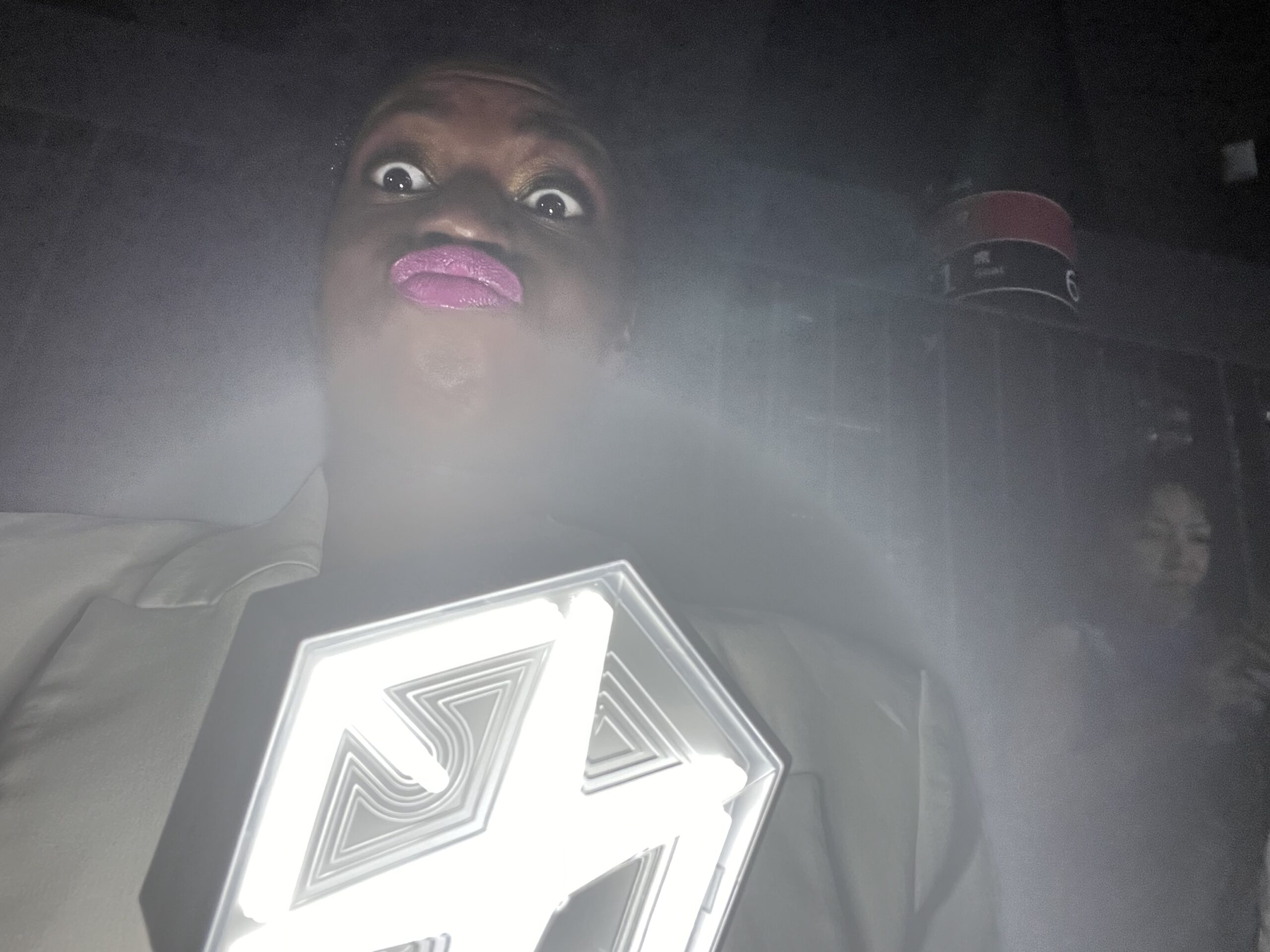
Photo by LoudPen
Why Market-to-Market Differences Matter
Attending the same tour in different countries revealed something that ticket sales, streaming numbers, and setlists never could: cultural context. The location of a tour stop shapes how fans show up, the energy within the venue, and how the concert resonates long-term.
When I attended KAI’s 2025 Solo Concert Tour: KAION in both Hong Kong, China and Grand Prairie, Texas, the performances were rooted in the same artistic vision, yet the audience experience felt distinctly different. The structure of the show remained consistent—the music, choreography, and storytelling—but the atmosphere reflected the cultural rhythms of each location.
In Hong Kong, EXO-Ls were calm yet deeply engaged. The audience remained seated, yet every fan knew the fanchants, and countless fans had memorized the dance challenges. There was a shared understanding of when to cheer, when to listen, and when to let moments breathe. The experience was immersive and markedly different from what I am used to as an American fan.
In contrast, the Texas stop was significantly louder and more outwardly expressive. At several points, the audience was cheering so loudly that KAI had to ask fans to quiet down because he could not speak over the noise. The energy was emotionally expressive, reactive, and visibly enthusiastic throughout the performance.
Because these experiences were so different, comparison feels less useful than interpretation. What mattered most was that the tour felt intentional. It translated across markets without losing its identity while allowing fans the freedom to express themselves. This balance—consistency paired with adaptability—is what makes global touring work.
Market-to-market awareness is essential. When tours are treated with a one-size-fits-all approach, emotional connection can be lost. When cultural nuances are acknowledged and respected, fans feel seen, understood, and included.
Global touring is not about replication; it is about translation—recreating a live music experience that feels authentic and localized for the audience in attendance. When international touring is done thoughtfully, live music becomes something that resonates with fans for the rest of their lives.
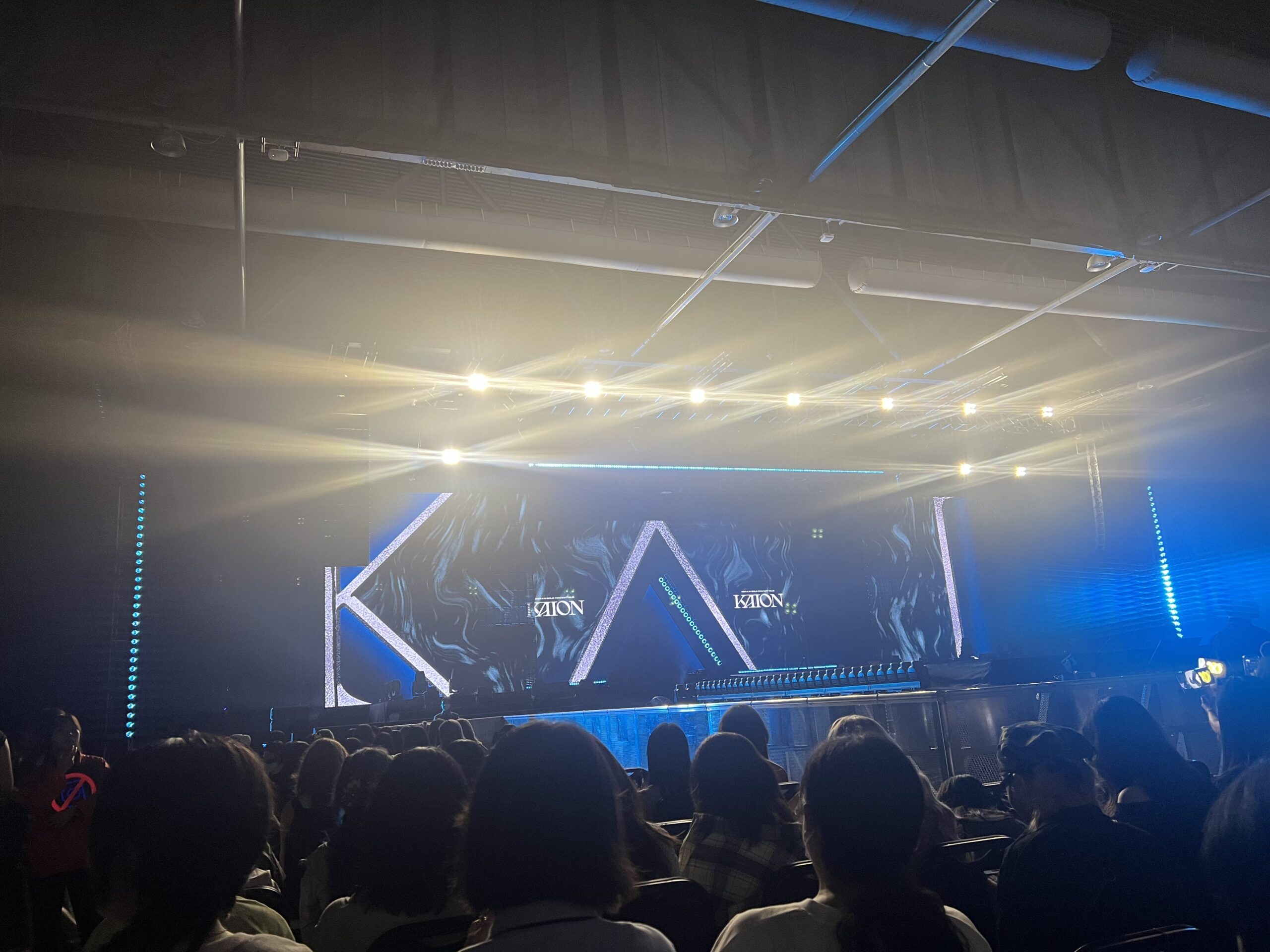
Photo by LoudPen
More Than a Genre, More Than a Moment
K-Pop’s global impact is not a passing trend. What makes K-Pop touring so powerful is that it exists within its own ecosystem—one shaped by culture, care, and consistency. This ecosystem cannot be easily copied or recreated elsewhere because it is built on intentional systems rather than surface-level spectacle.
When touring is treated as a thoughtfully curated system, fans feel it. They remember how a show made them feel, how they were treated within the space, and whether the experience felt carefully designed. Those memories remain with fans across cities, countries, and years.
K-Pop touring places fandom participation at the center of the live experience. Fans are not treated as passive spectators but as active participants whose presence, energy, and engagement are anticipated and respected. This approach transforms concerts into shared cultural moments rather than one-time performances.
At its core, K-Pop demonstrates an often-overlooked truth about live music: it works best when it is built on trust and participation. When fans are respected as participants and experiences are designed with intention, touring becomes more than a moment—proving that K-Pop is more than a genre, but a global system built to endure.
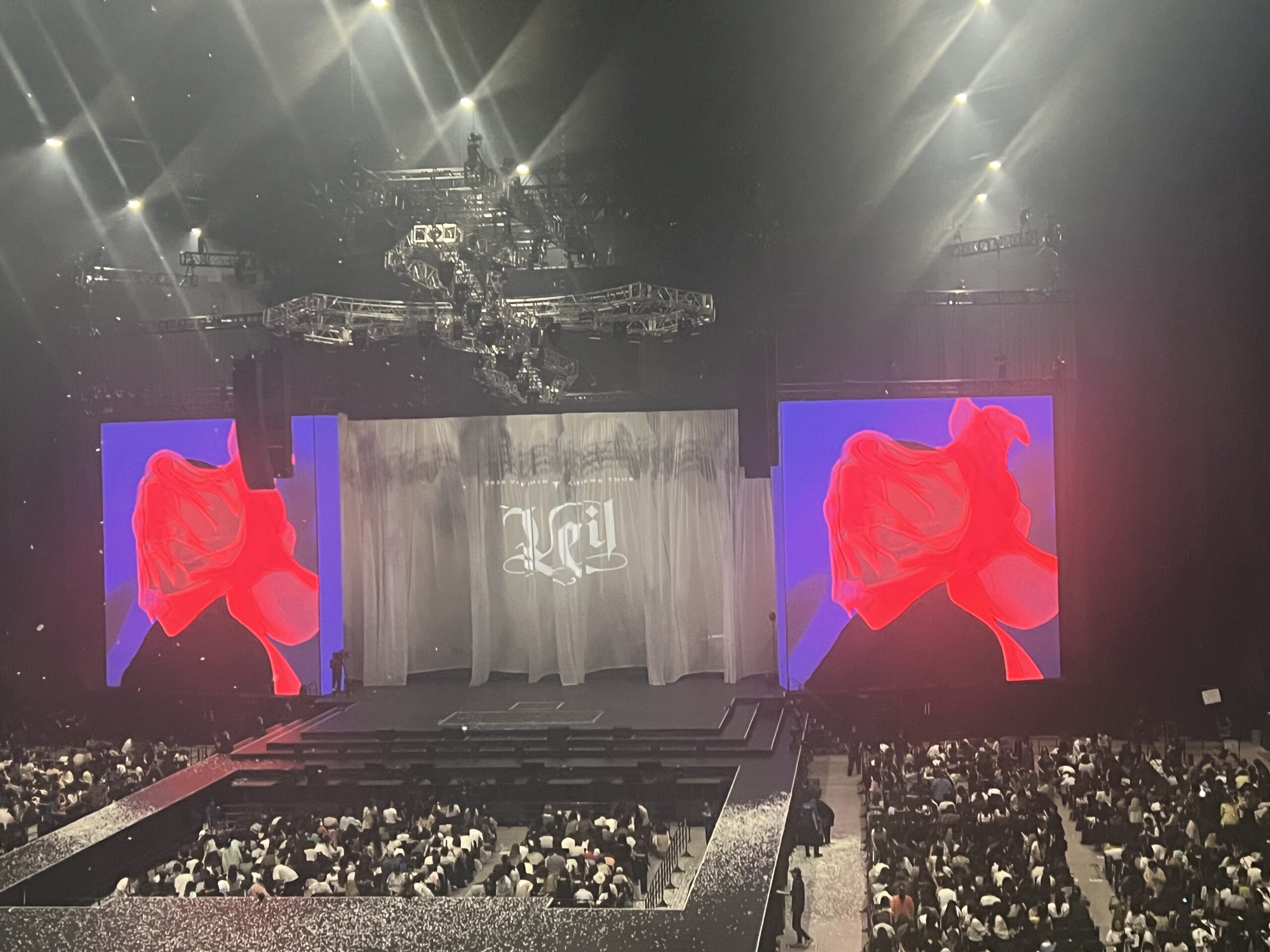
Photo by LoudPen
This article features original photography by LoudPen
And there it is. de la Pen…All Pen Everything.