Dear Pennies and Pens,
Icons are not made. Nor are they defined by metrics like Instagram followers, streams and music show wins.
Icons simply are.
In K-Pop, the word icon is overused. Comebacks are labeled as iconic before the album is released. Performances trend within minutes. And the loudest fans are in the comment section.
However, Icon energy revels itself subtly. It’s the shift that happens when certain artists enter the room.
An icon causes the conversation to pause. Scrolling stops. And camera always finds them. The atmosphere changes because their presence itself has weight.
Icons don’t follow the energy of a room.
They create it.
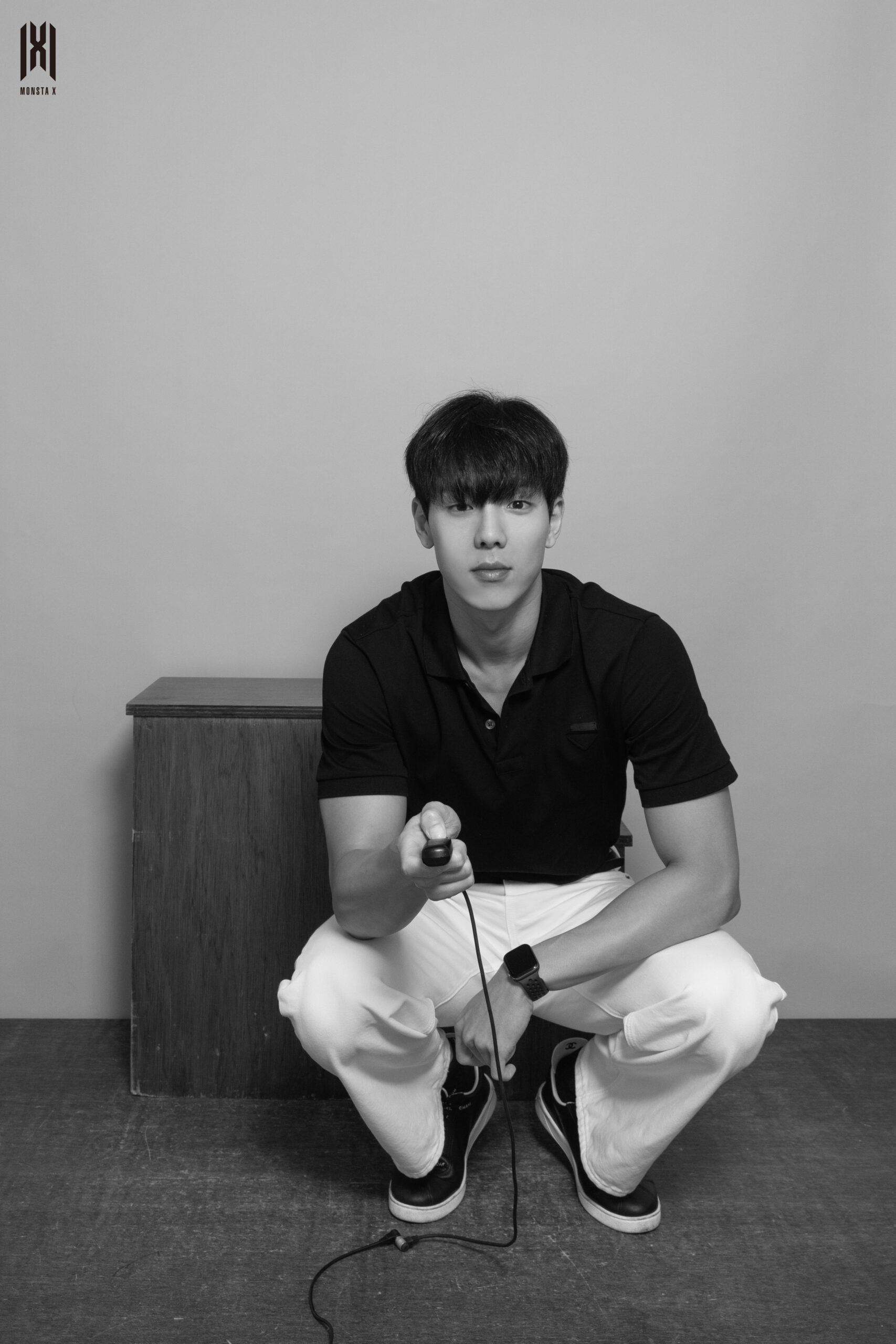
Shownu: The Quiet Room Shifter
Shownu alters the atmosphere of a room simply by existing inside it.
He does not chase attention. In fact, he often seems uncomfortable when it finds him. During a variety show appearance, Shownu literally hid in the corner when he began receiving compliments from the host and his co-stars.
And yet, the most common phrase used to describe him among MONBEBE is “Shownu being Shownu.” This means MONBEBEs are using his name to describe his personality. Shownu is such an enigma that even his groupmates of over a decade have a hard time defining who he is.
That ambiguity hasn’t limited his presence. It’s reinforced it.
Shownu is the only artist on this list without a solo discography. As of April 2026, he has yet to release a solo album, headline a solo concert, or tour independently. Outside of MONSTA X, his solo work consists primarily of OSTs and covers.
And yet, MONBEBEs and his fellow MONSTAS are always bragging about Shownu. How he’s an amazing singer and dancer, how he’s built like a refrigerator, and how funny he is.
This is spatial influence: the ability to shift the emotional temperature of a room without theatrics or noise.
Shownu doesn’t demand attention.
The room gives it to him.
KAI: The Attention Architect
Kai doesn’t chase attention.
He constructs it.
Kai is the definition of “he knows what he’s doing.”
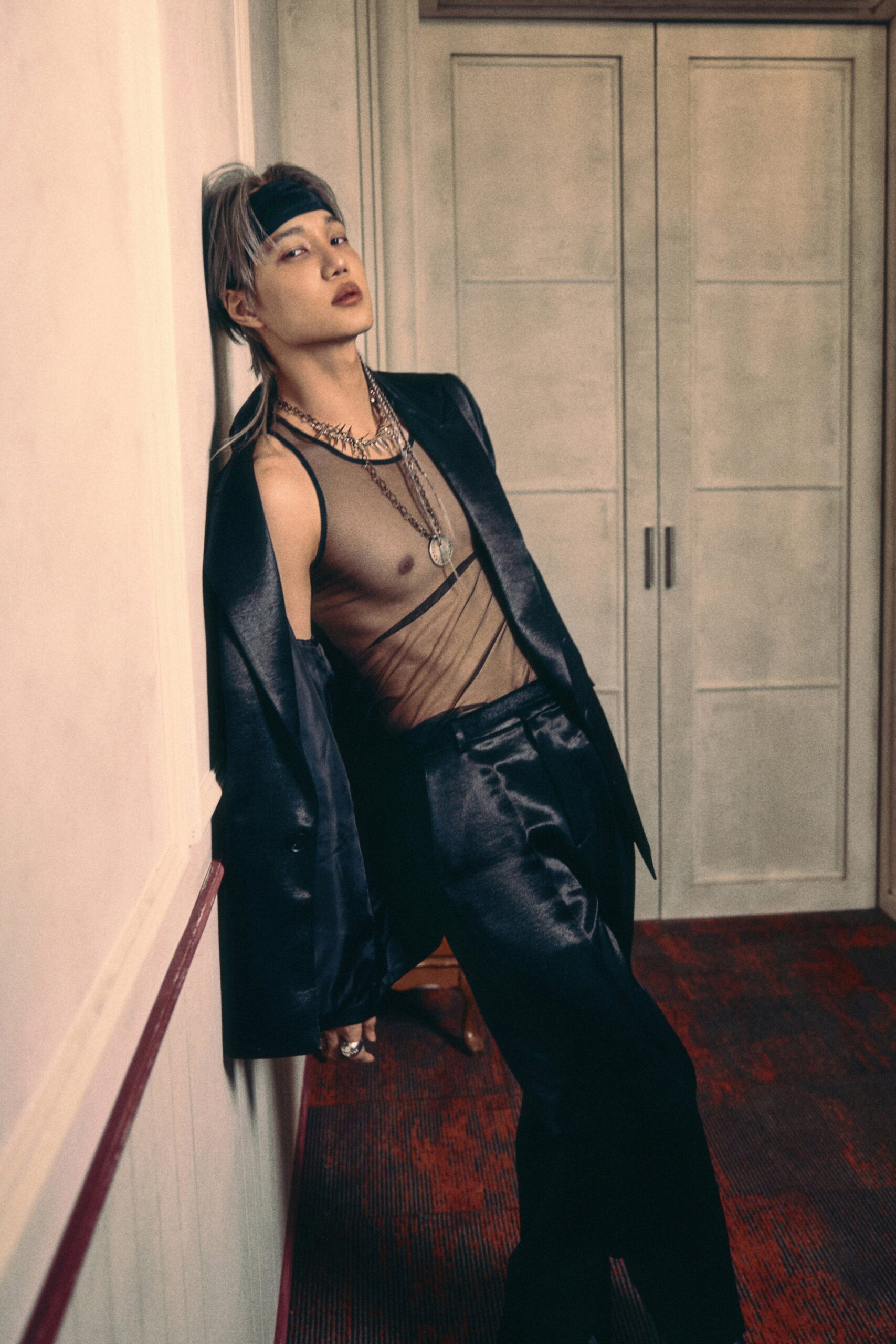
Take a look at his KAION World Tour. Black leather pants, a black leather jacket, no shirt, and a black cap. It reveals just enough skin to be provocative. Then throughout the performance, Kai teases the audience by subtly adjusting the jacket. With each movement comes an audible reaction, the crowd wondering if he’ll go completely shirtless.
That reaction is the design.
On a daily basis, everything Kai says or does becomes a topic of discussion. What did he mean when he said this? When is his next album coming out? When is his next variety show appearance? When was the last time he was seen with another EXO member?
The attention doesn’t happen by accident. It’s sustained by his presence.
Kai’s aura draws people in. He’s mysterious yet approachable. Charming, composed, and fully aware of how he’s being perceived.
This is visual influence: the ability to guide where attention goes and how it builds.
Kai does not just occupy the stage.
He engineers the reaction to it.
KEY: The Community Igniter
Key creates conversation.
Mention his name in the right room and the response is immediate. Lil Freaks begin recalling specific concerts, outfits, jokes, and stage moments as if they happened yesterday. One person shares a memory, another adds a detail, and suddenly the entire room is reliving the experience together.
This reaction is not accidental.
Key’s creative range allows fans to connect with him from multiple angles: music, fashion, television, and stage design. A concert becomes more than a performance. It becomes a shared reference point that continues to circulate long after the event ends.
This is social influence: the ability to activate collective memory and reassemble a community through shared experience.
Key does not just perform for an audience.
He ignites the room long after the show ends.
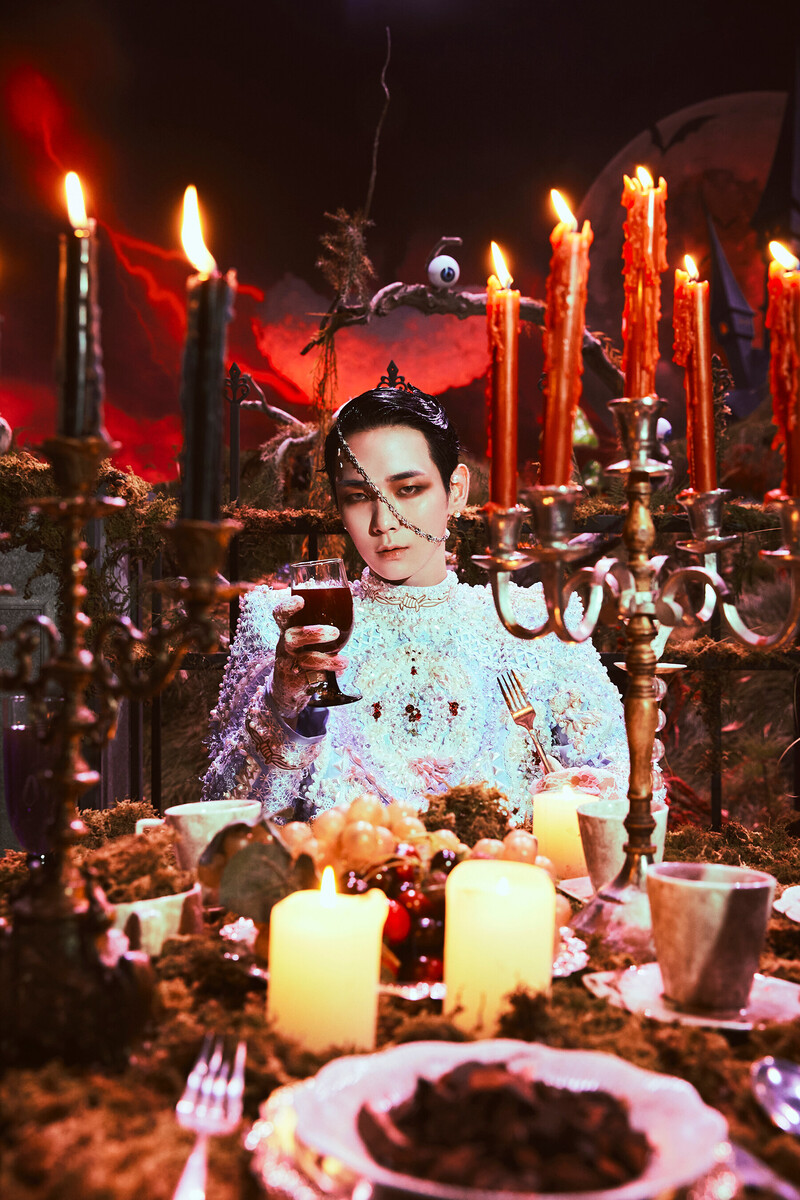
TAEMIN: The Participatory Catalyst
TAEMIN inspires participation.
Whenever TAEMIN releases a new album or song, TAEMate immediately begin debating artistic choices, experimenting with interpretations, and sometimes recreating the moments themselves.
TAEMIN motivates TAEMate to become philosophers, interpreting his art and music in real time. They study it. They analyze choreography frame by frame. The relationship between artist and audience becomes less like a broadcast and more like a shared laboratory.
Even TAEMIN’s Bubble and Instagram posts become topics of discussion. Last year, when he posted a photo of cooking pasta with onions, it sparked a debate that lasted for hours, then days, then weeks on how pasta should be prepared. What might appear to be a simple moment from the outside quickly turns into collaborative exploration inside the fandom.
That reaction reveals something important about his influence.
TAEMIN is not an artist fans passively listen to. His artistry invites engagement. Rather than presenting a finished spectacle that audiences simply observe, he creates work that encourages curiosity and experimentation.
Fans do not just watch his ideas unfold. They test them, reinterpret them, and sometimes even try to replicate them.
This is behavioral influence: the ability to move audiences from observation to action.
TAEMIN does not just perform for the crowd.
He turns the audience into participants.
Baekhyun: The Emotional Amplifier
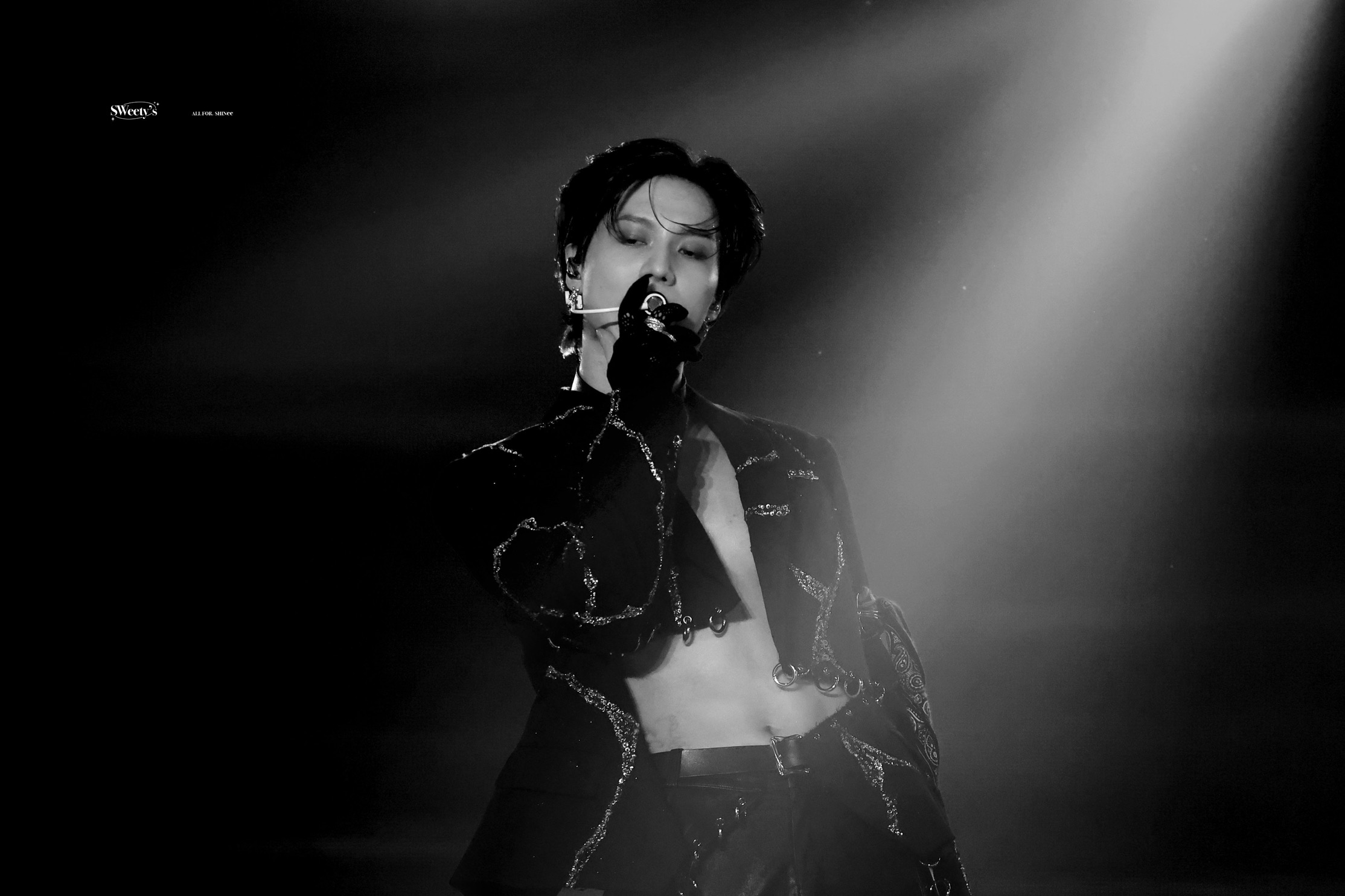
Baekhyun generates emotion.
He has the ability to shift the emotional temperature of a room by being himself. He goes live on Weverse with an empty pan in front of him, then gets up barefoot to wash dishes and sing along with the radio. During this simple, everyday moment, Baekhyun commands the attention of EXO-Ls.
But why?
Because it matches his music.
On the song Black Dreams, Baekhyun sings, “Tell me about your black dreams, I’ll make everything alright, I’ll do anything just to ease your mind.”
Musically, Baekhyun offers fans a sense of comfort and ease. He positions himself as the artist who feels like your best friend—the one who listens, understands, and helps you process what you’re going through.
So when he goes live doing ordinary, everyday activities, it reinforces that identity.
Fans do not just observe Baekhyun. They respond to him in real time. A joke becomes a shared moment across thousands of screens. A livestream turns into a room full of laughter, even when the audience is scattered across continents.
Baekhyun moves easily between playful chaos and focused performance, creating an environment where fans feel comfortable reacting openly and immediately.
The result is a kind of emotional momentum.
Baekhyun is more than a performer.
He energizes the emotional space of the room.
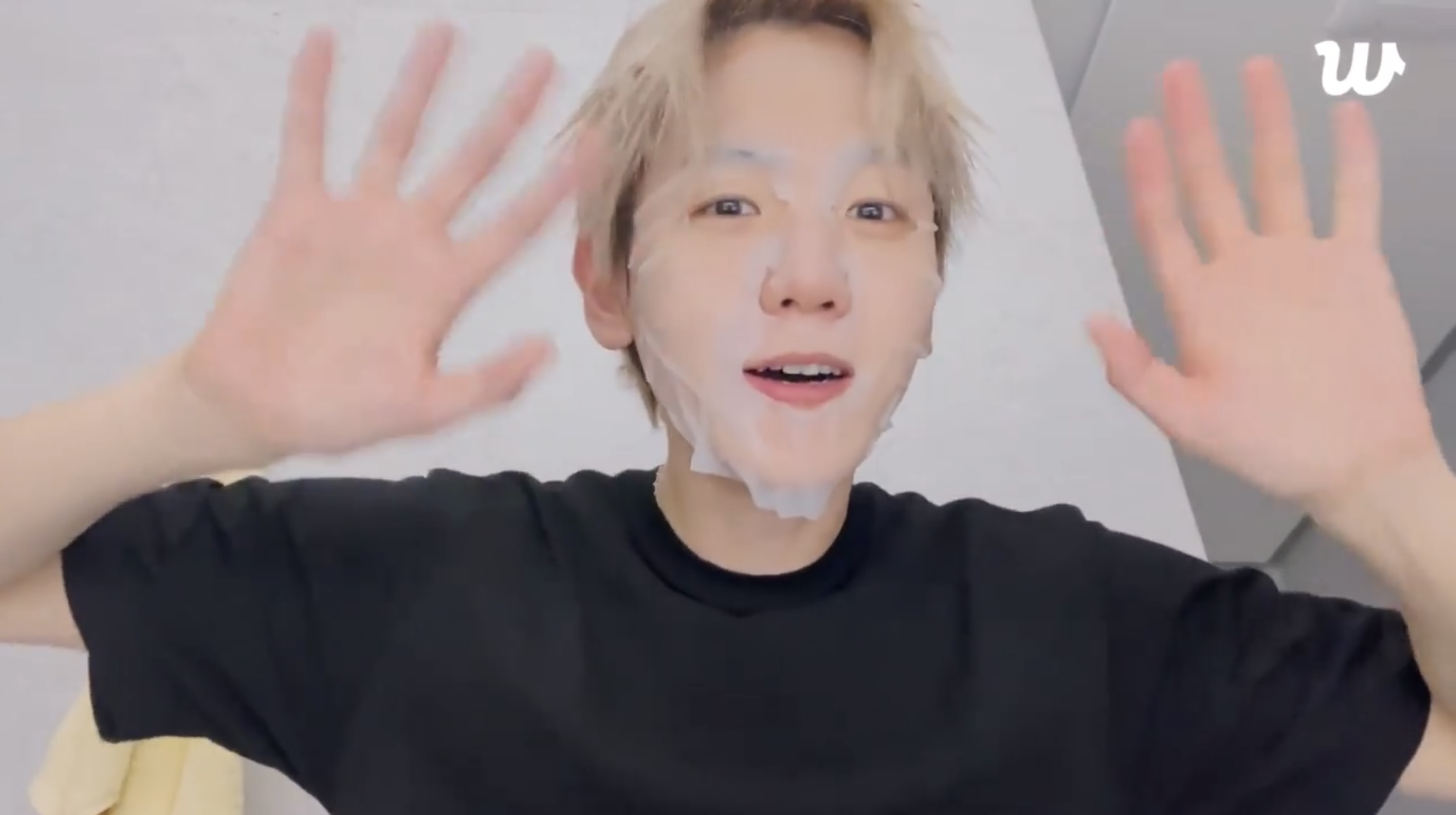
Lay: The Builder Icon
Lay has crafted his own universe within the K-Pop ecosystem. He built his own lane in an industry that traditionally demands artists do whatever the agency tells them to do. He is the LEAD SHEEP OF CHINA.
Lay combines music, traditional Chinese history and culture with dance, art and fashion to create a system with structure and purpose.
He doesn’t participate in the industry, he expands it. As a global icon, Lay is symbolic with China. X BACK see him as not just authority on Chinese culture but as an ambassador and interpreter.
His builder energy changes the way fans relate to him.
They are not only reacting to a comeback or a performance. They are observing a person in motion, someone whose work ethic, self-direction, and range create the sense that the project is always bigger than the moment. Even his vlogs carry that energy. They may look chaotic on the surface, but underneath them is a person who is constantly producing, moving, and making.
This is structural influence: the ability to inspire not just reaction, but respect for the architecture behind the art.
Lay does not simply occupy space.
He changes what that space can hold.
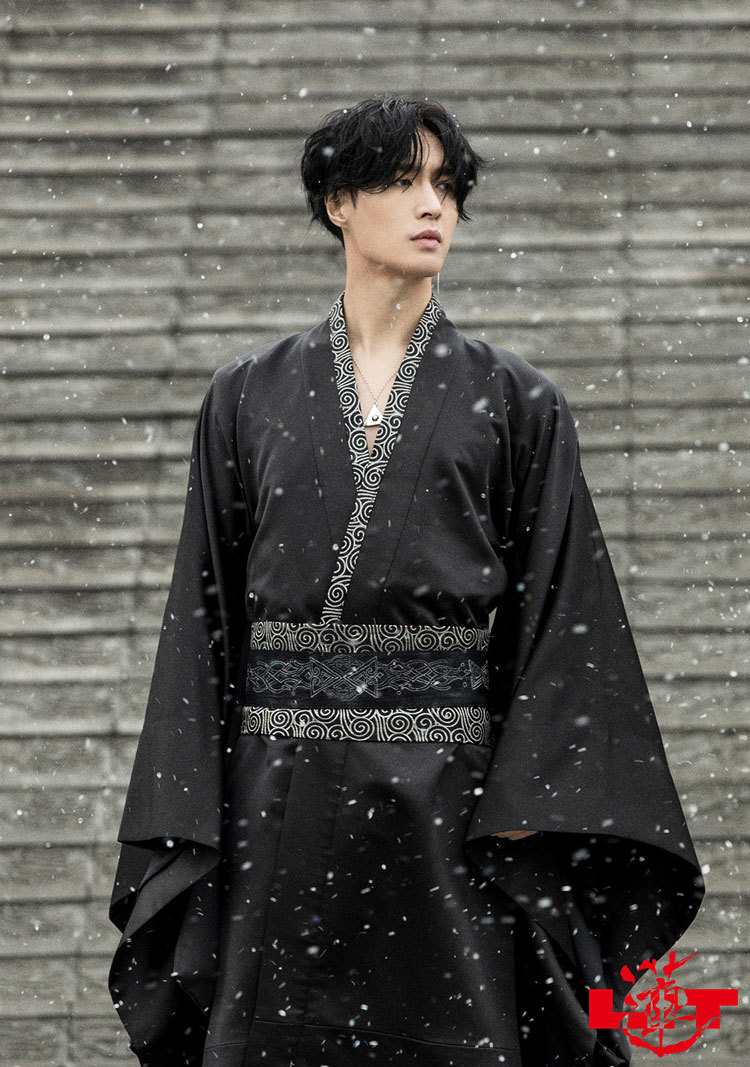
Jonghyun: The Permanent Voice
Jonghyun is the voice of K-Pop.
With a distinctive discography, he is forever etched into its culture.
His vocal tone, emotional layering, and texture are unparalleled. In each note, his presence is felt. Listening to his music is immersive—it pulls you into the sound, creating a form of escapism that feels both intimate and expansive.
Jonghyun continues to retain long-term Blingers while simultaneously attracting new listeners. His writing, artistry, and performance set a standard for musical excellence.
He remains an ever-present force in K-Pop. Blingers continue to circulate photos, tweets, radio moments, memes, and performances—not as memories, but as living cultural language.
His work doesn’t sit in the past. It moves with the culture.
Jonghyun represents permanence.
He is the voice that has settled into the foundation of K-Pop.
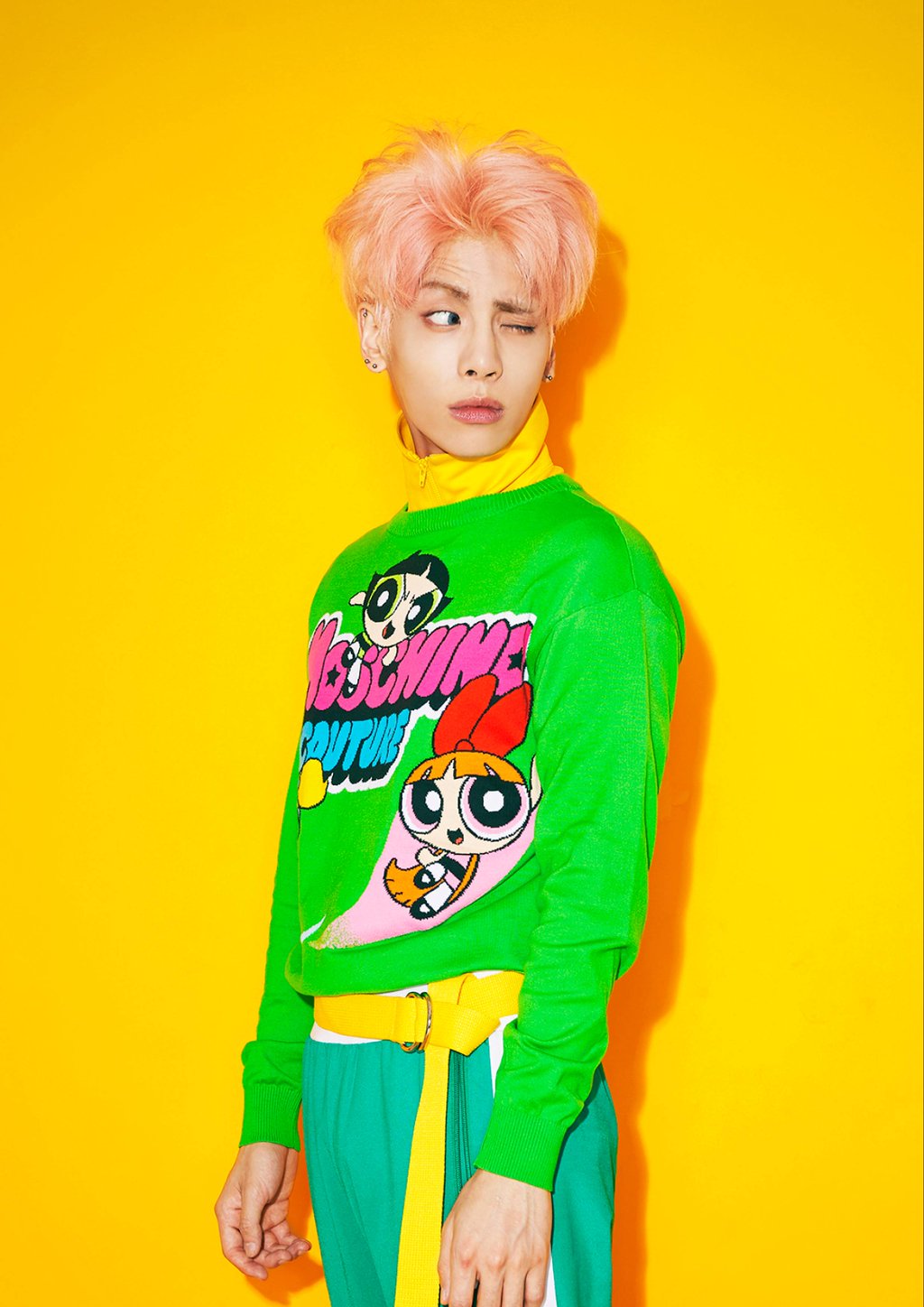
Crawling Is Better Than Nothing
Not every icon arrives fully formed.
Some are compelling precisely because they are still becoming.
“Crawling is better than nothing” is more than a lyric. It’s a way to think about another kind of icon energy in K-Pop: the artists whose magnetism comes from motion rather than completion.
These are the artists who not have fully stabilized their solo identity. The ones who are still experimenting. However the crawl itself is fascinating because fans can see the formation happening in real time.
This is where artists like Joohoney, the writer of this unforgettable lyric enters the conversation. Additionally, his fellow groupmates Minhyuk, Kihyun, Hyungwon and I.M are on this list. Then there are more EXO members Xiumin, Chen, and Chanyeol that should be listed here. If you include the remaining SHINee members ONEW and MINHO, the list doubles in size. I will also mention BamBam, TEN, Solar, Moon Byul, Wheen In and Hwasa.
Each of these artists already possesses something powerful: talent, discipline, identity, or charisma. But what makes them especially interesting is that none of them feels finished.
Their work carries the tension of someone still testing the borders of who they are as solo artists. Fans are not just consuming a polished final version. They are watching the process.
That matters.
There is a different kind of attachment that forms when audiences witness an artist building themselves in public. The magnetism comes not from completion, but from possibility. The audience leans in because they can feel the shape of something larger still forming.
Not every icon walks into the room fully realized.
Some crawl toward the center of it.
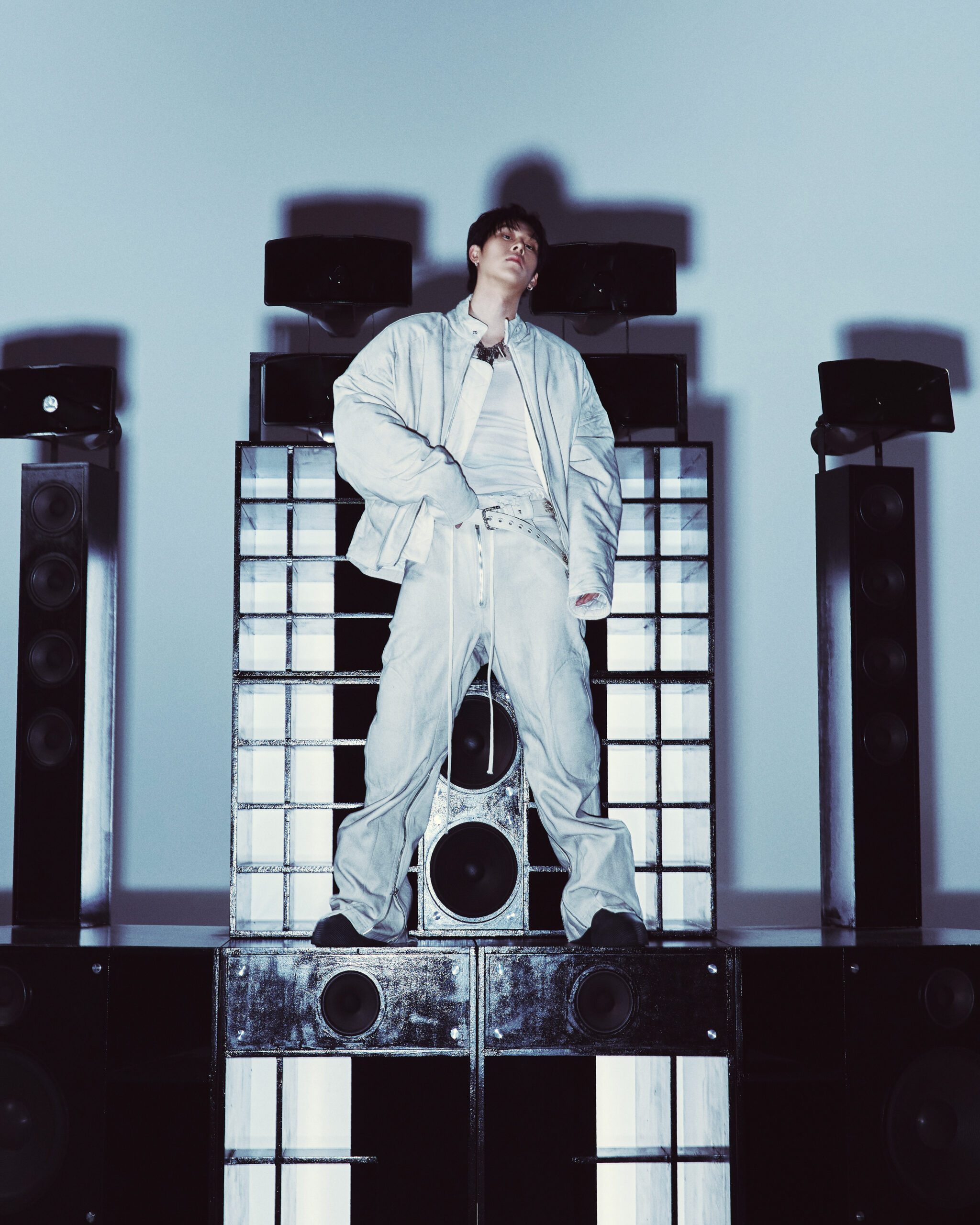
Icon Is Not a Metric
This is where K-Pop discourse misses the plot.
Icon energy is not the same thing as visibility. Follower counts, chart peaks, and streaming totals do not determine whether someone is an icon. Those numbers measure reach, popularity, and commercial success. But they do not explain why one artist triggers passive recognition while another changes the emotional behavior of an entire room.
Metrics tell you who is being seen.
They do not tell you who is being felt.
That difference matters.
An icon does more than attract attention. They motivate behavior. Fans imitate them. Study them. Laugh with them. Relive them. Build community around them. Return to them years later. The relationship is active, not passive. It shows up in what people do, not just what they click.
That is why icon energy cannot be reduced to numbers.
It is measured in anticipation. In memory. In participation. In the instinctive shift that happens when a certain artist steps forward and the entire atmosphere reorganizes itself around them.
That kind of influence is harder to quantify.
It is also far more interesting.
And there it is. de la Pen…All Pen Everything. With us, keeping it real never goes wrong.