Dear Pennies & Pens,
Destination concerts reveal how fandoms move. When a show is tied to a specific place rather than a touring circuit, fans don’t just decide whether to attend — they decide whether to travel, how to prepare, and how to participate from near and far.
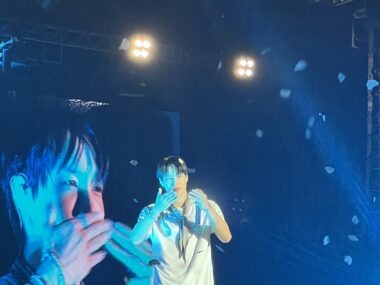
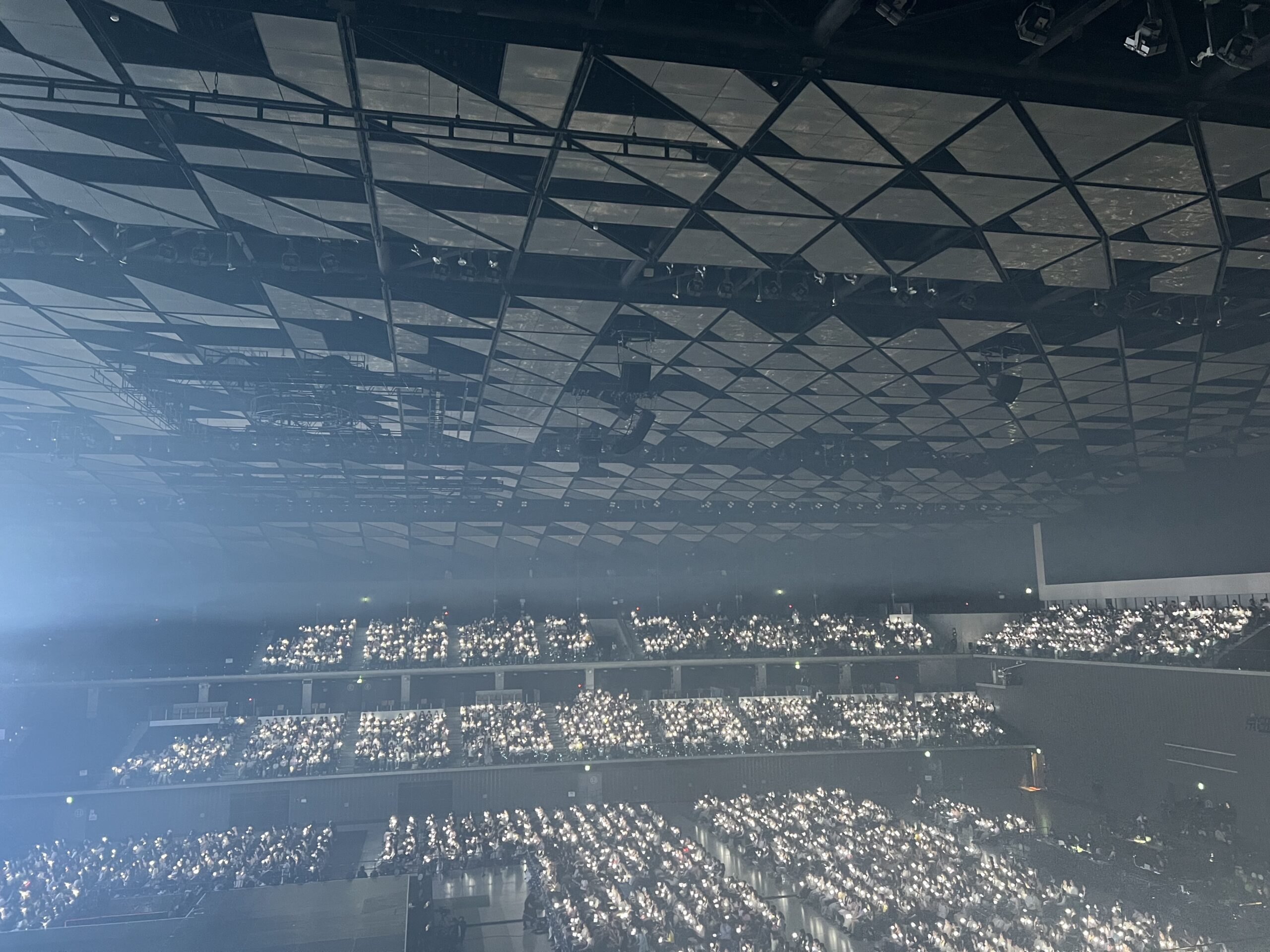
Earlier this month in Las Vegas, two solo K-Pop artists — TAEMIN and BAEKHYUN — performed back-to-back shows at the same venue, creating a rare opportunity for me to observe not only performances, but fandom patterns.
What emerged was not a comparison between artists, but a clearer view of how two distinct fandoms organized around scarcity, location, and emotional investment — revealing how destination concerts function as systems of movement, meaning-making, and shared experience.
These shows reshaped how fans planned, how they talked, how they traveled, and how meaning spread before and after the lights went down. When a concert is anchored to a specific place, the event becomes more than a performance. It becomes a temporary world.
Las Vegas offered a clear example of this shift. Two solo artists performing on back-to-back nights in the same city. Different fandoms. Different musical identities. And yet, remarkably similar patterns in how fans organized themselves around the experience.
The artists were the reason people came.
The fandoms were the story.
Las Vegas as a Destination
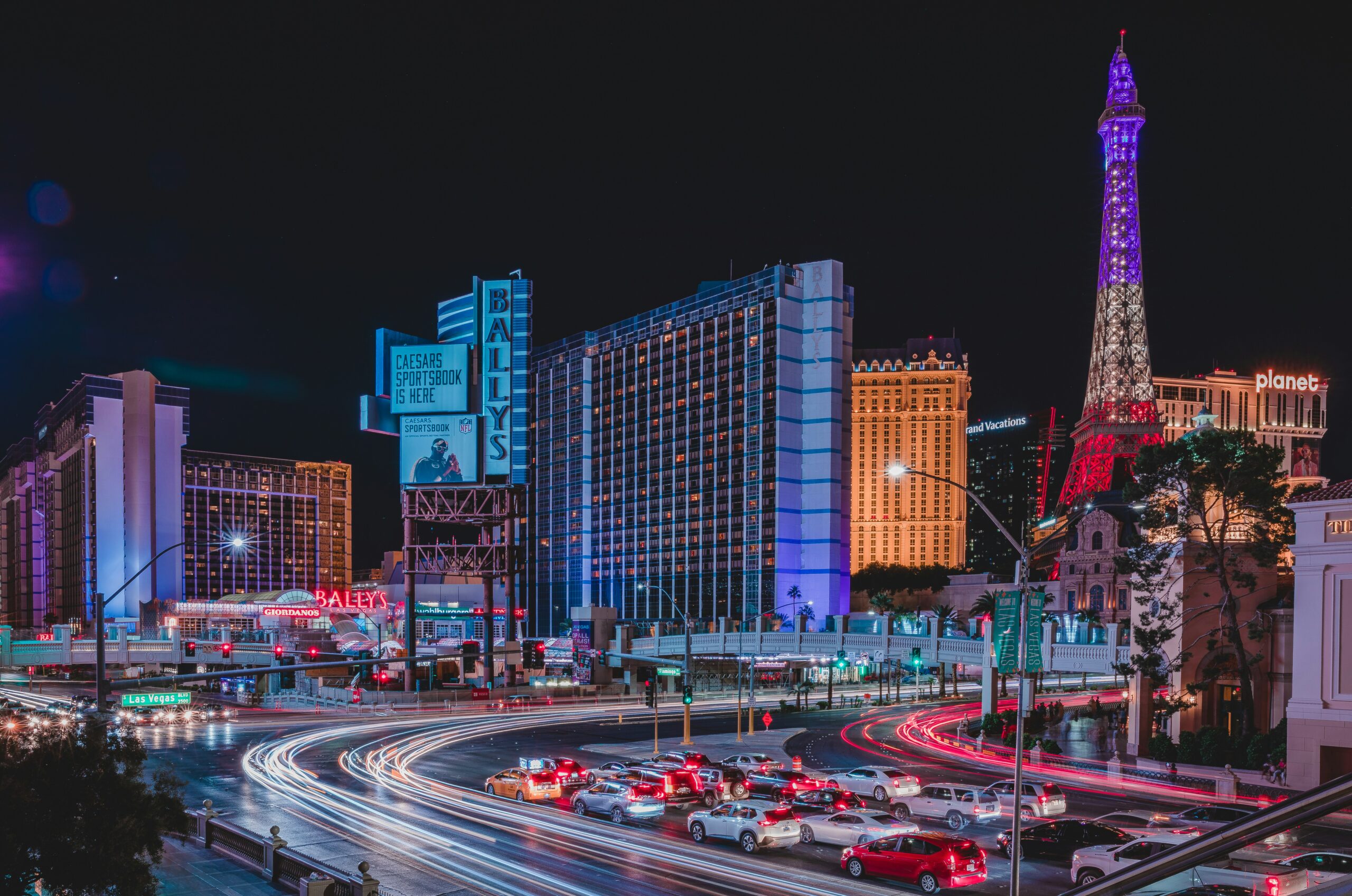
Las Vegas did not function like a typical tour stop.
Fans didn’t just arrive for a show and leave. Many arrived days early. They planned dinners. They coordinated meetups with people they had never met before. They recognized each other in airports through lightsticks, accessories, and subtle signals only other fans would notice.
The city itself became part of the experience. Billboards, hotel screens, merch installations, and pop-ups turned Vegas into a temporary fandom ecosystem. Being “in the city” mattered almost as much as being inside the venue.
This is a defining feature of destination concerts: the location is not neutral. It carries meaning.
Fandom Movement Before the Show
What stood out most was how fans moved with intention.
Fans traveled internationally and cross-country. Some went solo. Others shared rooms with people they barely knew. Trust formed quickly because they were fans of the same artist. The shared destination lowered social barriers.
For fans who couldn’t attend, the movement still mattered. Cost, distance, and stacked events created real barriers, especially for younger and international fans. Rather than disengaging, many became more active online. Discord chats stayed busy. Twitter timelines moved quickly. Fancams were watched and rewatched.
Absence didn’t remove participation. It redirected it.
Being There vs. Not Being There
The emotional divide between attending and not attending was visible — but not simplistic.
Fans who attended described the concerts using language tied to intensity and aftereffects. They talked about still processing. About dopamine hits. About not being able to articulate what they experienced yet. Many said videos couldn’t capture what it felt like to be in the room.
Fans who didn’t attend experienced something different, but no less real. They described secondhand post-concert sadness. Jealousy mixed with affection. A sense of being close to the moment without being inside it.
This is one of the defining traits of destination concerts: the emotional radius extends far beyond the venue. The show does not end when the performance ends. It continues through shared clips, conversations, and collective processing.
Two Fandoms, One Pattern
Despite different fandom cultures, similar behaviors emerged across both nights.
Fans framed the concerts as once-in-a-lifetime experiences. They emphasized sound quality, atmosphere, and the feeling of being present. They spoke about the venue as part of what made the night special. The city amplified the performance.
What mattered wasn’t comparison between artists. What mattered was the consistency in how fandoms responded to scarcity, location, and shared anticipation.
Vegas didn’t just host two concerts. It hosted two temporary fandom worlds.
After the Show: Meaning Doesn’t Disappear
After the concerts, the language shifted from excitement to reflection.
Fans expressed gratitude. Pride. Fulfillment. Some talked about supporting future shows from a distance, feeling content rather than anxious. Others immediately began hoping for the next opportunity, especially in regions that hadn’t seen recent tour stops.
This contrast revealed something important: access history shapes emotional response. Fans who have had multiple chances to attend shows often experience less urgency. Fans who feel uncertain about future access carry more intensity, more FOMO, and more digital attachment.
Neither response is wrong. Both are structural.
Why Destination Concerts Matter
Destination concerts are not just about exclusivity. They are about focus. They concentrate attention, emotion, and community into a shared moment.
By anchoring a performance to a specific place, these shows turn fandom into movement — physical for some, digital for others — and create moments that live on as reference points long after the event ends.
The Vegas shows revealed how modern K-Pop fans adapt to place, scarcity, and access — and how meaning is built collectively, whether fans are in the room or watching from afar.
Destination concerts don’t replace touring.
They reshape how touring is felt.
And there it is. de la Pen…All Pen Everything.