Dear Pennies & Pens,
MONSTA X’s U.S. tour announcement did not just generate excitement.
It triggered decision-making.
Immediately following the announcement, fan conversations shifted from celebration to strategy. Not because demand was low—but because demand had to be managed.
That distinction matters.
High Demand, Immediate Constraints
The emotional response was instant:
“I am screaming so hard.”
“YASSSSS.”
“I absolutely cannot wait.”
Demand is not the issue.
What follows is.
Within the same conversations, fans began recalculating:
“My wallet survived rent and the pop up — it’s not ready for this.”
“Had I known about tour, I would have just bought 2 albums.”
This is not hesitation.
It is financial compression.
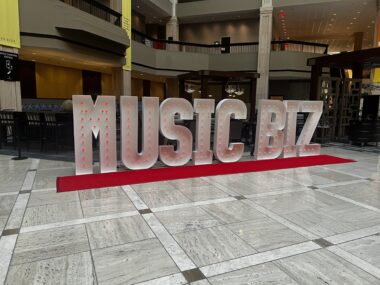
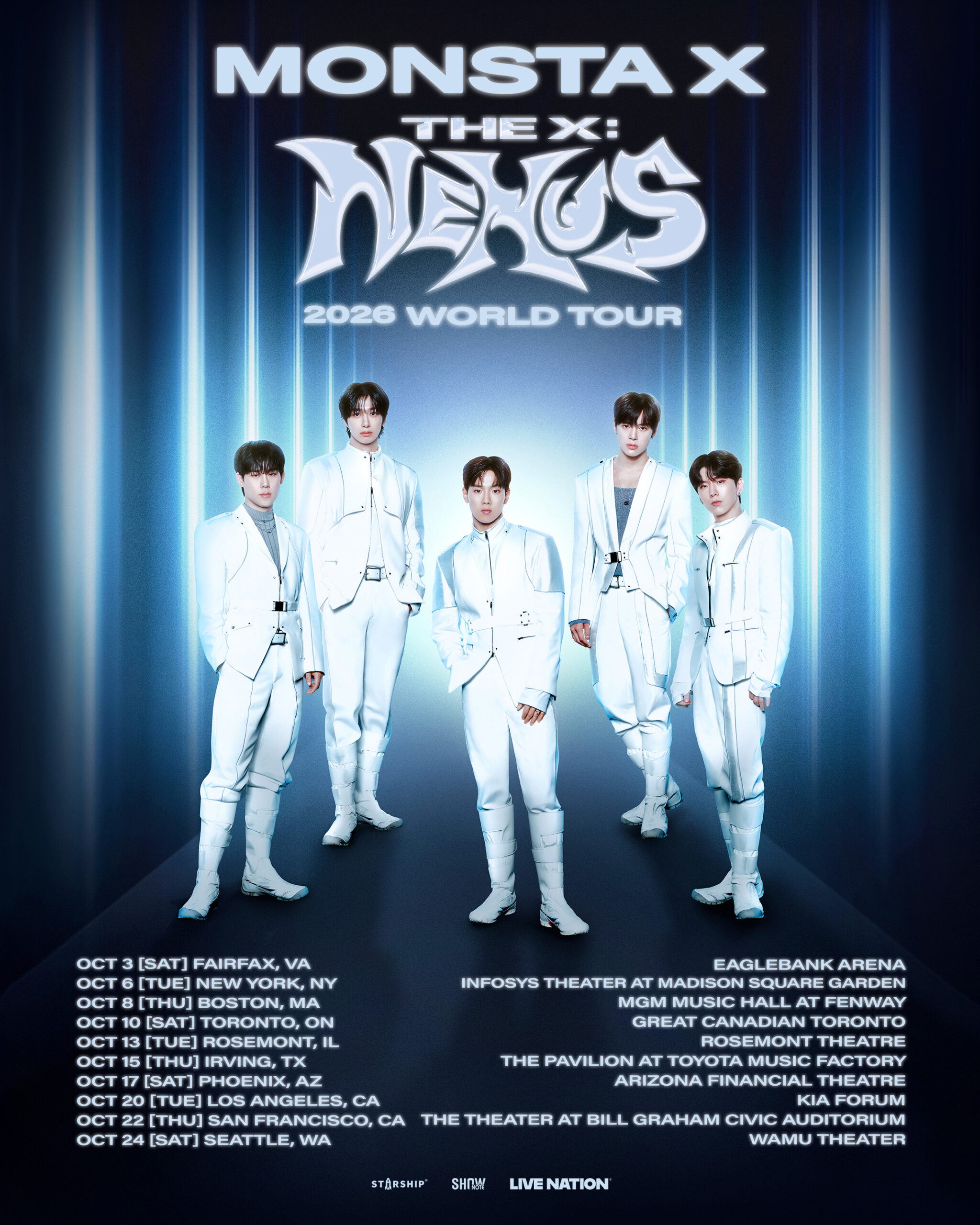
To promote their 3rd English album Unfold, MONSTA X partnered with hello82 and Barnes & Noble to host pop-up shops throughout North America April 3–5. Then, on Monday, April 6, they announced the U.S. leg of their NEXUS world tour.
However, fans had already spent on albums, signed copies, and pop-up merchandise. This means the tour announcement arrived at the end of a major spending sequence. Fans did not have enough time to bounce back financially before being asked to make another major purchase.
Tickets for MONSTA X’s NEXUS U.S. tour go on sale Tuesday, April 14, which means there was only a week between significant spending cycles. To add more salt to the wound, fans are also managing everyday expenses like rent, food, gas, and utilities. In essence, fans were not given enough time to plan and budget for an additional expense.
Fans Are Not Just Spending. They Are Optimizing.
K-Pop fans are not passive buyers.
They are active decision-makers.
They are choosing between:
- cities
- seat tiers
- travel costs
- prior purchases
“I wanted to do LA and AZ but my wallet says maybe just LA.”
“That’s gonna need to be a cheap seat.”
“I need to be as close to front row as possible.”
These are not casual decisions.
Fans are operating on a total cost model:
ticket + travel + prior spend + personal expenses
When it comes to purchasing concert tickets and deciding which location to attend, fans factor in all costs. Meaning the price of the concert ticket, what it will cost to travel, previous related purchases, and personal expenses.
This is why fans are constantly adjusting their budget.
Multi-City Demand Exists. It Just Gets Compressed.
Initial behavior shows something important:
Fans want to attend multiple stops as this gives them the chance to experience the concert more than once.
But that intent rarely survives since life and other factors come into play. Buying multiple concert tickets, in addition to travel costs such as flights, hotels, rental cars, and food, is expensive and time consuming. It’s why attendance gets reduced to one city.
Not because interest disappears—but because the system forces prioritization.
Once again, demand is not the issue.
It is a capacity and structure issue.
The Tour Is a Social Event, Not Just a Concert
While preparing to attend concerts, another pattern emerges quickly:
Fans are coordinating and going to shows together. They are making plans in private group chats, via text, Discord servers, and DMs.
“One of my MONBEBE friends is a couple hrs away.”
“Let me know if you come to Texas.”
“Let’s meet up for lunch in Chicago.”
This clearly shows that attendance is influenced by:
- friend networks
- geography
- shared planning
This means the tour functions as a social travel experience, not just a live performance.
The Experience Starts Before the Tour
Before tickets ever went on sale, fans were already engaging in person.
During this time, pop-up events became gathering points where MONBEBEs met, traded, and re-entered purchase loops multiple times. This wasn’t just retail behavior. It was community activation.
The value wasn’t just in what they bought.
It was in:
- meeting other MONBEBE
- trading photocards
- being in the same space
“I’d buy, open, and then get in line again.”
“Meeting other MONBEBE was my favorite part.”
This is repeat behavior driven by community, not product.
So when that same fan is immediately asked to purchase tour tickets?
The system creates fatigue.
Fans Are Informed. They Are Paying Attention.
Fans are not just reacting emotionally.
They are analyzing:
“It’s not the big/main Madison Square Garden.”
“Smaller theater venue.”
They understand:
- venue size
- capacity
- what it signals
They also recognize symbolic moments:
“Playing Madison Square Garden on Honey’s birthday.”
Not all tour stops are equal.
Some carry narrative weight.
Local Markets Matter More Than Assumed
Certain locations function differently.
Texas, specifically, emerges as a strong signal:
“Irving is only 15 min from where I live.”
“Let me know if you come to Texas.”
This is not just local demand.
This is a regional anchor market—a place that draws both local and traveling fans.
The Gap Is Not Demand. It’s Coordination.
Across all of this, one thing remains consistent:
Fans are:
- emotionally invested
- financially stretched
- behaviorally engaged
The issue is not whether they will show up.
It’s how much friction they experience before they do.
The Real Takeaway
K-Pop tours are not underperforming because fans are not interested.
They are under-optimized in how they structure the fan journey.
Right now, monetization is stacked:
Rent → Albums → Pop-up → Travel → Tickets
While the experience is fragmented across time, geography, and cost.
The MONSTA X tour rollout shows something clearly:
Fans are not just participating in the system.
They are navigating it.
And in doing so, they are revealing exactly where it needs to evolve.
And there it is. de la Pen…All Pen Everything. With us, keeping it real never goes wrong.